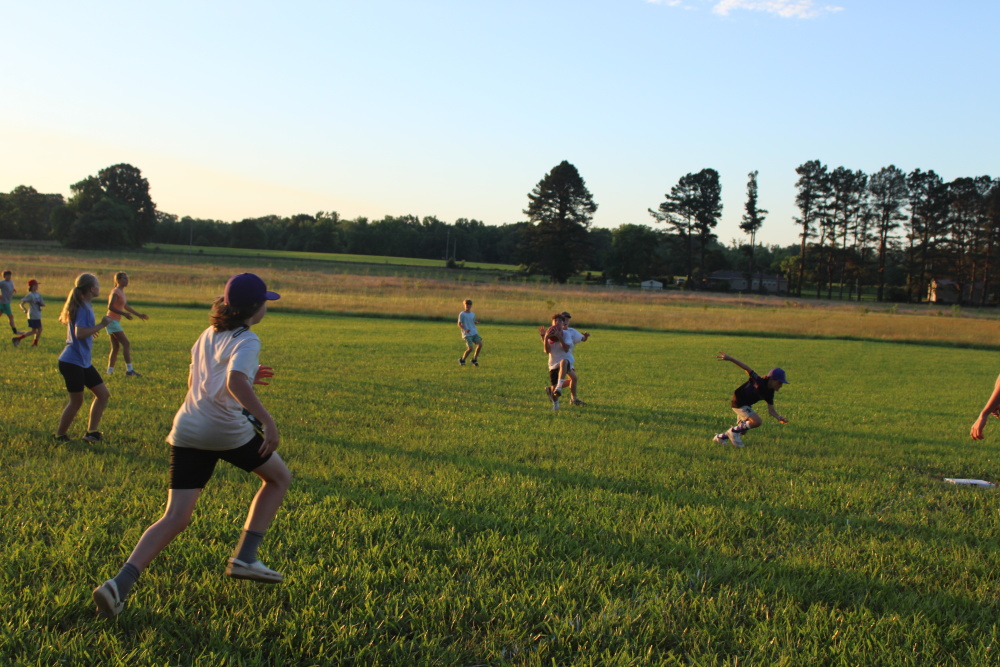
Learn more about the 4-H centers that house, educate and inspire Tennessee 4-H’ers.
Clyde M. York 4-H Center, Crossville
The Clyde M. York 4-H Center is found in Crossville and is uniquely tied to World War II. Camp Crossville was its original name, and during the war, it served as one of the largest Prisoner of War camps in the region.
The site was part of the U.S. government’s network of camps to house thousands of prisoners, which mainly included German and Italian soldiers. After the war ended in 1945, the land was repurposed for educational use. The University of Tennessee acquired the property and opened the 4-H center in 1950.
“Since then, the center has become a key part of youth development, offering programs designed to foster leadership, teamwork and practical skills,” says Lacy Harnage, 4-H center director. “It also encourages outdoor education and community service.”
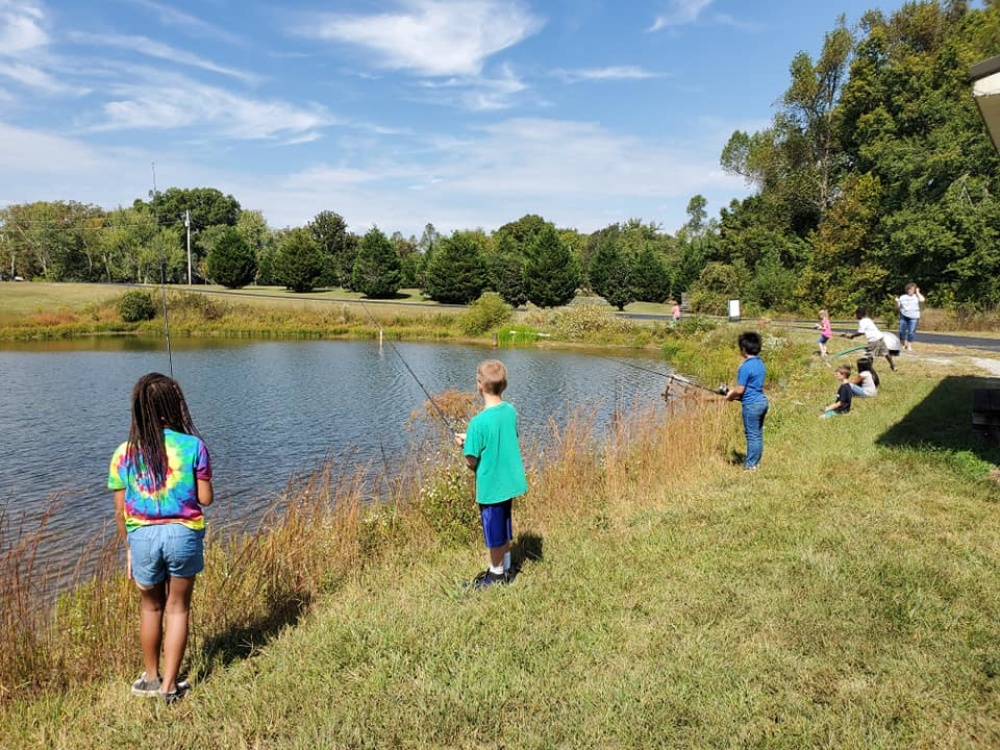
Since 1950, the 192-acre property at the Clyde York 4-H Center has been all about adventure, fun and learning. In June, the center offers two main camps – Junior 4-H camp for fourth through sixth graders and Junior High 4-H Camp for sixth through eighth graders. The center also hosts the Tennessee 4-H Target Smart Camp for fifth through ninth graders in shooting sports.
The camp has dormitory-style lodging that can house more than 500 guests while they’re resting from exploring the expansive grounds.
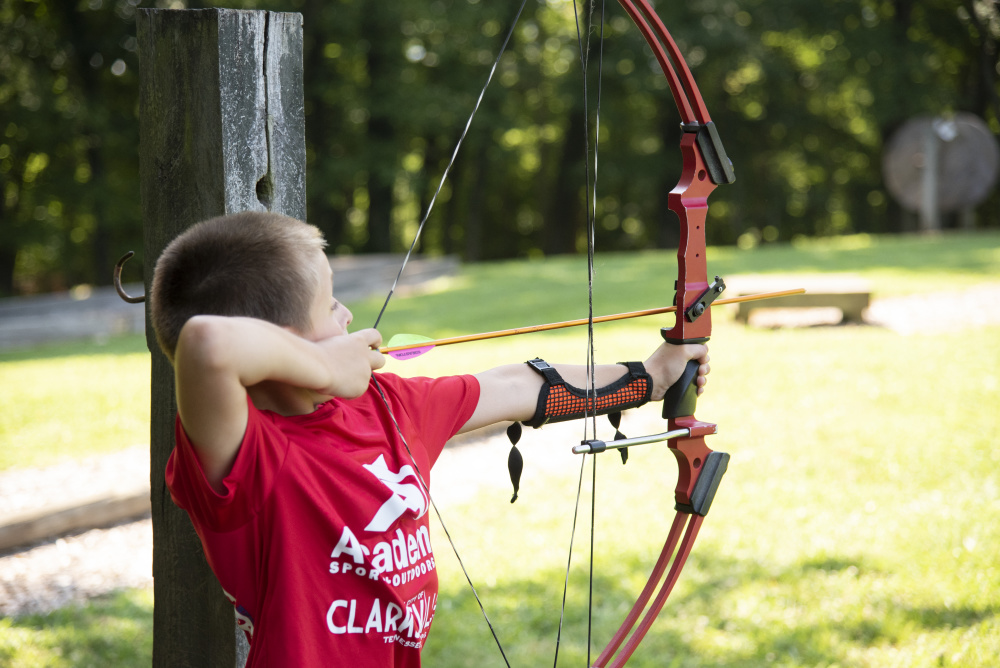
Campers create unforgettable memories through activities like canoeing, kayaking, paddleboarding, ziplining and shooting sports.
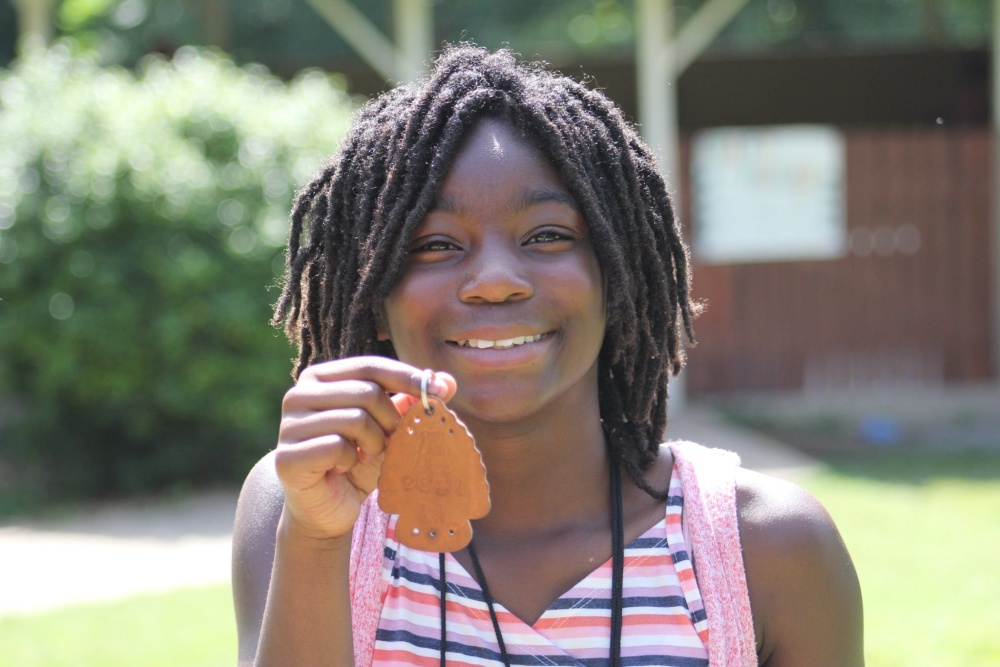
They also spark creativity in program areas such as the craft house and wood shop.
For nature lovers, campers can explore pond ecology, hike the trails, go fishing and interact with animals.

“There’s something for everyone, making it the perfect place for campers to make new friends, try new things and truly have the summer of a lifetime,” Harnage says.
The location of the center being atop the Cumberland Plateau is just one aspect that makes this camp special, as it is nestled in the peaceful hills, allowing campers to immerse themselves in nature fully.
However, the 4-H center staff is what really sets the center apart.
“Our staff takes great pride in creating a welcoming atmosphere that feels like home,” Harnage says. “We tailor each experience to meet the unique needs of our guests, offering customized programming and providing hands-on support every step of the way.”
See more: Successful Picnic at the Fair Funds 4-H Camp Scholarships
W.P. Ridley 4-H Center, Columbia
The W.P. Ridley 4-H Center is in Columbia and was once the University of Tennessee farm back in the early 1900s.
The land was used for agricultural practices and happens to be the site of the first 4-H camp for the Boys and Girls Club Workers in 1923.

Those first campers swam in a nearby swimming hole, helped prepare meals and learned about the animals on the farm. When the farm relocated to Spring Hill in the 1920s, William P. Ridley, a world-famous farmer and an encourager of 4-H and Extension, wanted the 49 acres to remain the home of the 4-H camp. The camp was named after him for these efforts and is still in its place today.
Now, the center is accredited by the American Camping Association and is the summer home to fourth through sixth graders from 28 counties across Middle and West Tennessee.
The camp offers six weeks for counties to choose from. During their stay, campers live in one of the 10 cabins and start and end their days at the heart of the camp in the rec hall.
They also find their way to the lighted ball field to play various sports and land Olympics. The amphitheater is where they gather for s’mores and closing ceremonies. The camp also features a swimming pool with a large waterslide. Throughout the day, campers make crafts, explore the outdoors, participate in shooting sports, ride the ziplines and make friends from across the region.

“4-H camp provides an opportunity for kids to be kids,” says Terri Quillin, 4-H center director. “Camp provides the chance to explore, face-to-face social interaction, the ability to make simple decisions on their own and develop strong leadership skills, which are all qualities needed for our future leaders.”
The W.P. Ridley 4-H Center is unlike most camps in that it has a creek onsite. The Little Bigby Creek borders the east side of the property and allows campers to participate in creek stomping, aquatic studies and tubing.
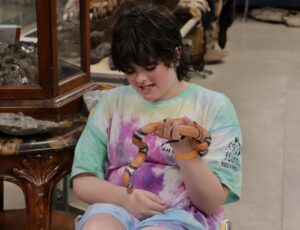
Another unique aspect of the center is the “Crazy Critter Guy” or “CCG” for short. Brian Stewart has been on the staff as a program leader since the late 1990s and has created many educational activities that include scaly and slithery creatures. Stewart has also created a fun and educational wildlife room that intrigues all ages.
“The center is maintained by some of the hardest-working, most dedicated staff,” Quillin says.
See more: It’s Electric (Camp)! Boogie-Woogie, Woogie!
Clyde Austin 4-H Center, Greeneville
The Clyde Austin 4-H Center is in the beautiful mountains of East Tennessee. The first community talks of establishing a permanent center in Greeneville began in 1935 when 55 children had the opportunity to come together for a group 4-H camping experience. The campers slept in barns, swam in the creek and paid their way by bringing vegetables and chickens.
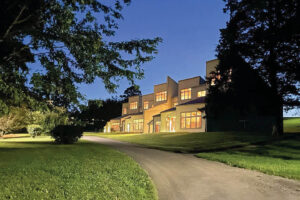
Twelve years later, Clyde Austin, a well-known local 4-H supporter, spearheaded an effort to establish a permanent 4-H camp by donating the land and raising more than $100,000 for the project.
The camp officially opened in 1949 with the World War II U.S. Army barracks as dormitories.
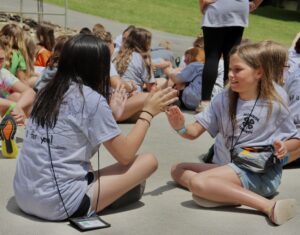
Those first campers enjoyed meals in a dining hall that could seat 300, slept in two cabins and cooled off in a swimming pool. The center has undergone several renovations and welcomed thousands of campers since. The 4-H summer camp program is now made up of both junior and junior high camping opportunities.
“The weeklong program is designed to provide campers with lifelong memories – making new friends, exploring nature through exciting, hands-on activities, growing in self-confidence and independence, and of course, having a lot of fun!” says Scottie Fillers, 4-H camp director.
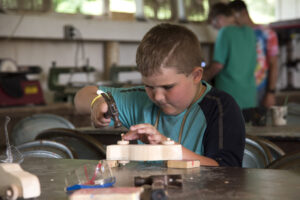
Facilities at the camp include nine cabins, ball fields, an Olympic-sized pool with a 130-foot-long waterslide, a wildlife center, a craft center and a large recreation hall.
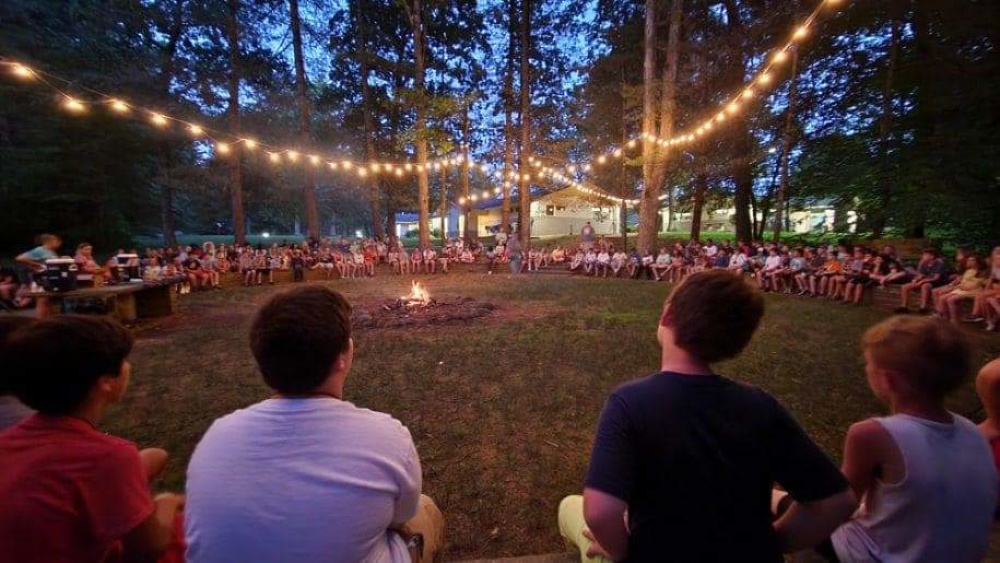
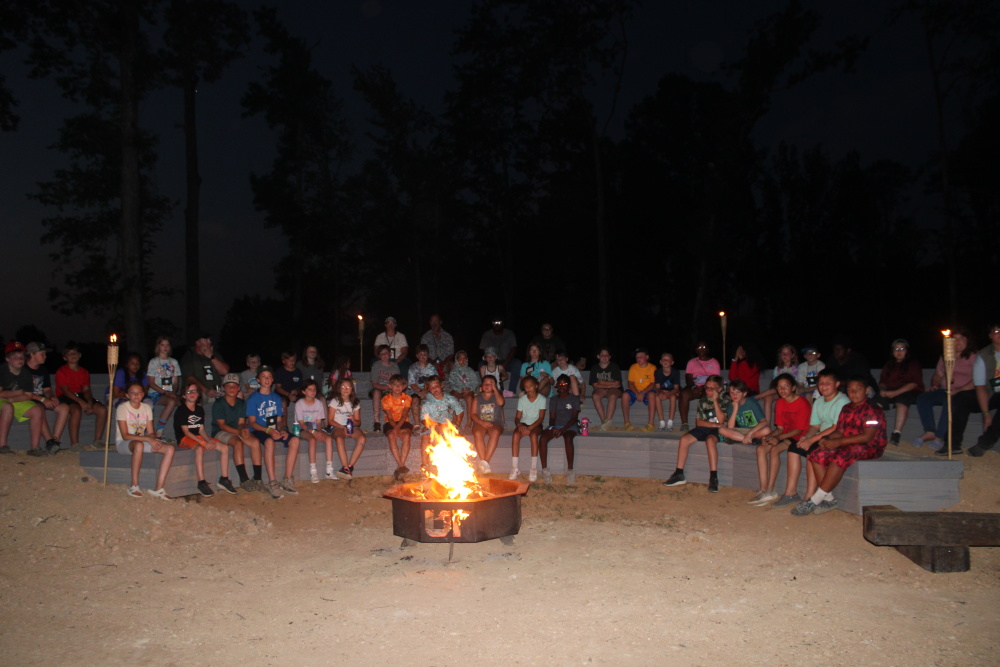
Campers gather for campfires and reflection at the Friendship Circle, an outdoor theater shaped like a four-leaf clover. They also enjoy homecooked meals in the dining hall and snacks from the canteen.
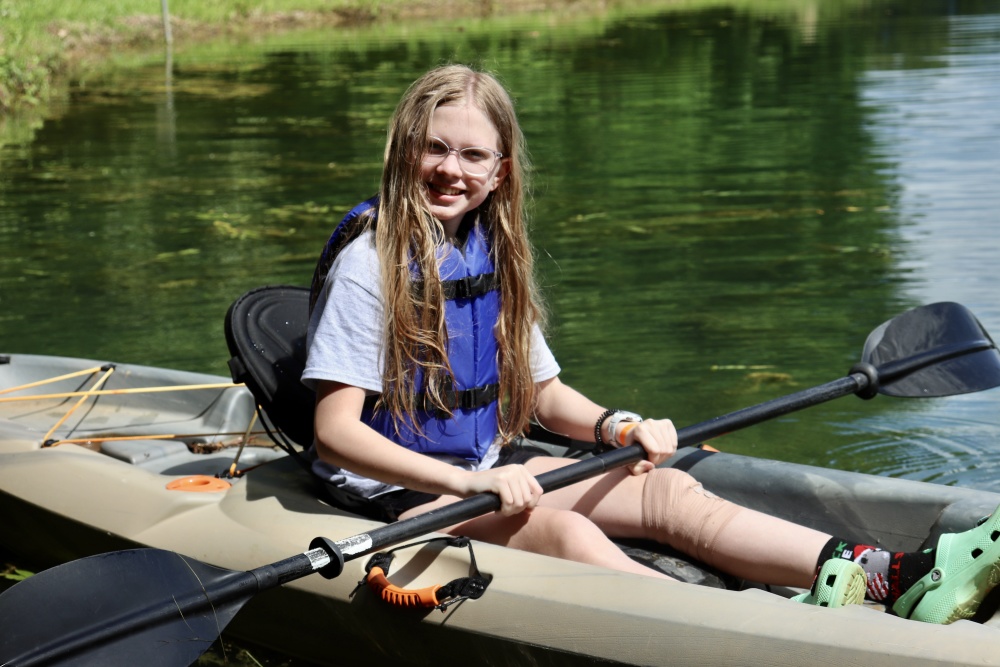
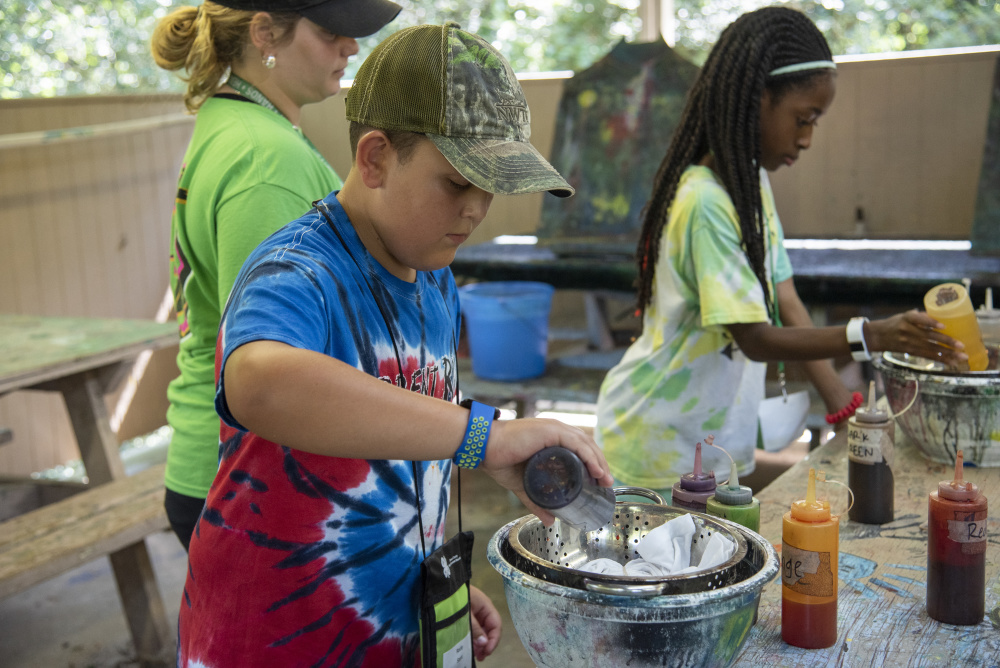
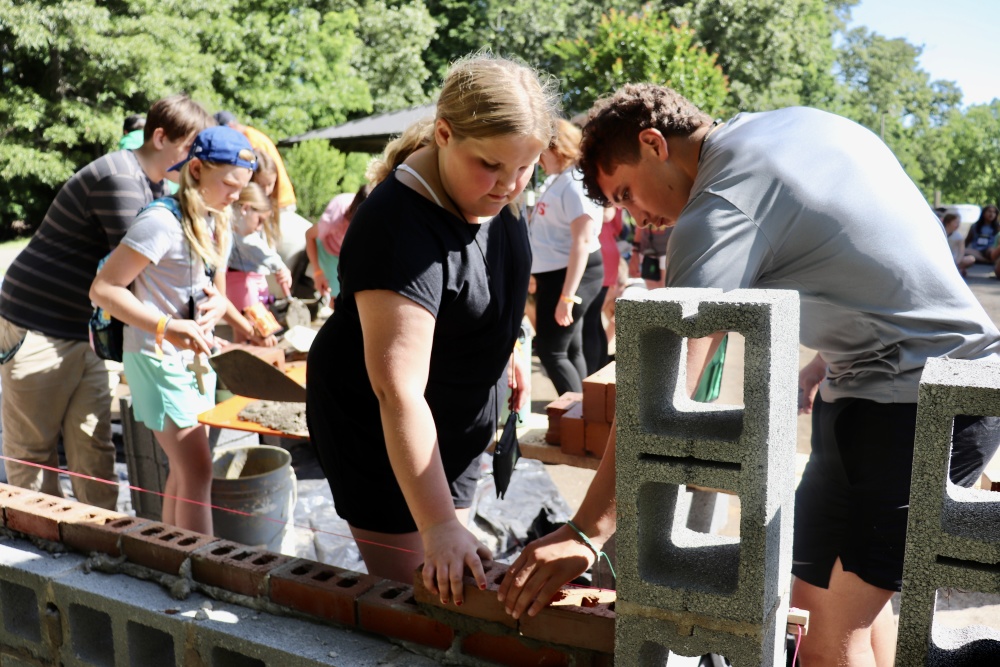
During the day, campers participate in various activities such as archery, woodworking, muzzle loading, tie-dying T-shirts, skeet shooting, canoeing at the lake, completing a ropes course and more.
One of the things that makes the Clyde Austin 4-H Center unique is the many different ecosystems onsite for campers to experience. Those ecosystems include a natural spring, a hardwood forest, warm-season grasses, wetlands and various aquatic habitats.
The center is also home to a fossils classroom, which contains hundreds of real specimens and life-size replicas of a T-Rex skull and Megalodon jaw.
“We may be biased, but we think being located in the foothills of the Appalachian Mountains is one of the prettiest places on Earth,” Fillers says. “And one that offers campers a one-of-a-kind learning experience they’ll remember for a lifetime.”
See more: All It Takes Is Raising Your Hand to Volunteer
Lone Oaks Farm, Middleton
Lone Oaks Farm is the newest of the 4-H camp centers in the state, located in Hardeman County. The land started out as several smaller farms, and in 2016, the University of Tennessee reached out about turning it into the new West Tennessee 4-H camp.
Located near Memphis and Jackson, the farm encompasses 1,200 acres of pastures, woodlands, trails and 16 lakes. It is also a working cattle operation producing hay and livestock and growing fruits, vegetables and row crops in an experiential educational setting.
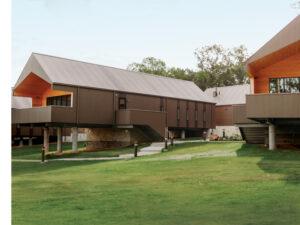
“It epitomizes Tennessee’s natural beauty,” says Penny Russell, 4-H and youth development center director.
Construction of the camp at Lone Oaks Farm began in 2021 and was completed in 2023.
Since its opening, the farm has quickly become a vibrant hub for youth development, hosting its second summer camp in the 2024 season and welcoming thousands of 4-H’ers.
The center boasts impressive facilities, including four spacious cabins, a cutting-edge STEM facility uniquely designed for immersive, hands-on, outdoor education, a rifle and archery range, a craft house, a modern dining hall and more. The camp recently received its American Camp Association accreditation after only two camping seasons.
During the summer, campers enjoy a wide range of activities that combine adventure, education and fun.
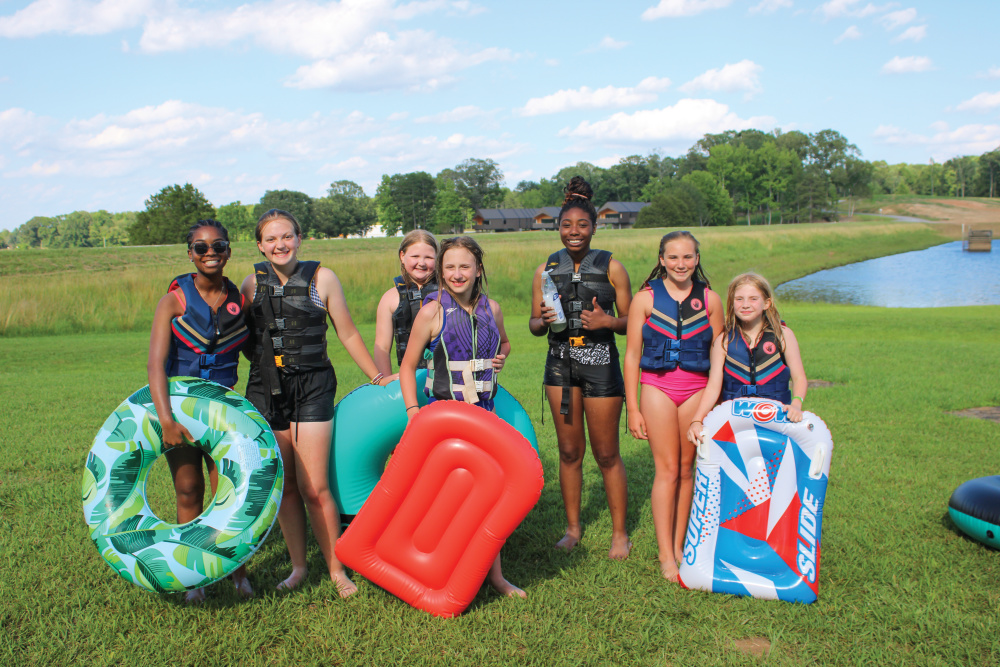
Highlights include ziplining across three exciting lines, fishing and kayaking on the farm’s scenic waters, tackling challenges on the ropes course, and splashing around on water inflatables in the lake.
These activities are carefully designed to create memorable experiences while fostering personal growth and teamwork.
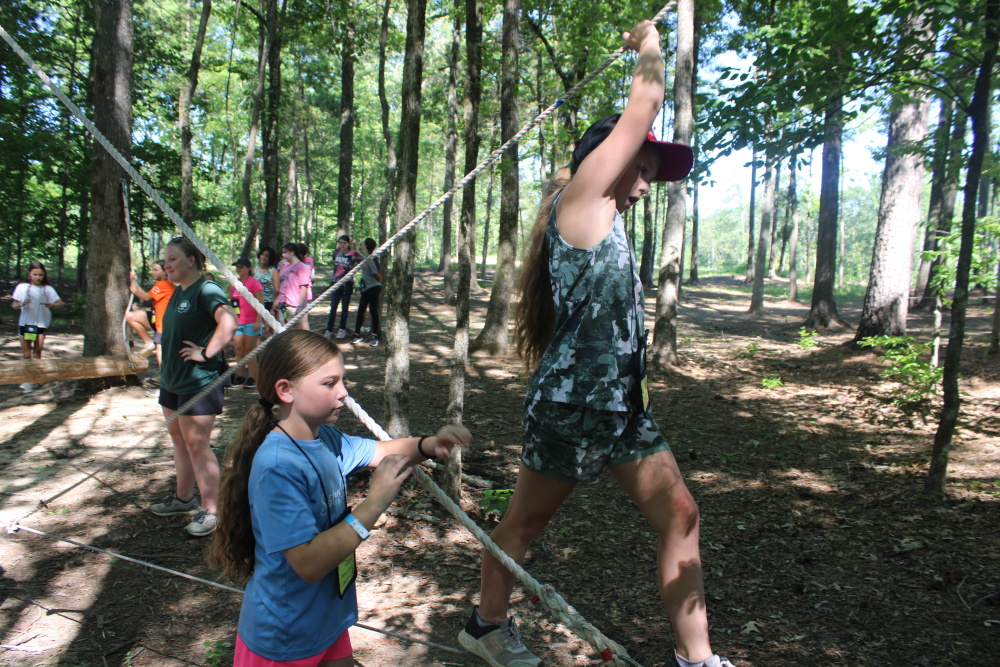
Beyond traditional camping, Lone Oaks Farm is a premier destination for outdoor STEM education. Its programs emphasize experiential learning in agriculture and natural resources, providing youth with an opportunity to explore the intersections of science, technology and the environment in a dynamic outdoor setting.
“We want to give kids the joy of a traditional camping experience, but we also strive to think innovatively and push boundaries by offering new and exciting opportunities,” Russell says. “This is a chance to place kids in a safe, supportive environment where they can step outside their comfort zones, reconnect with nature and rediscover the world around them.”