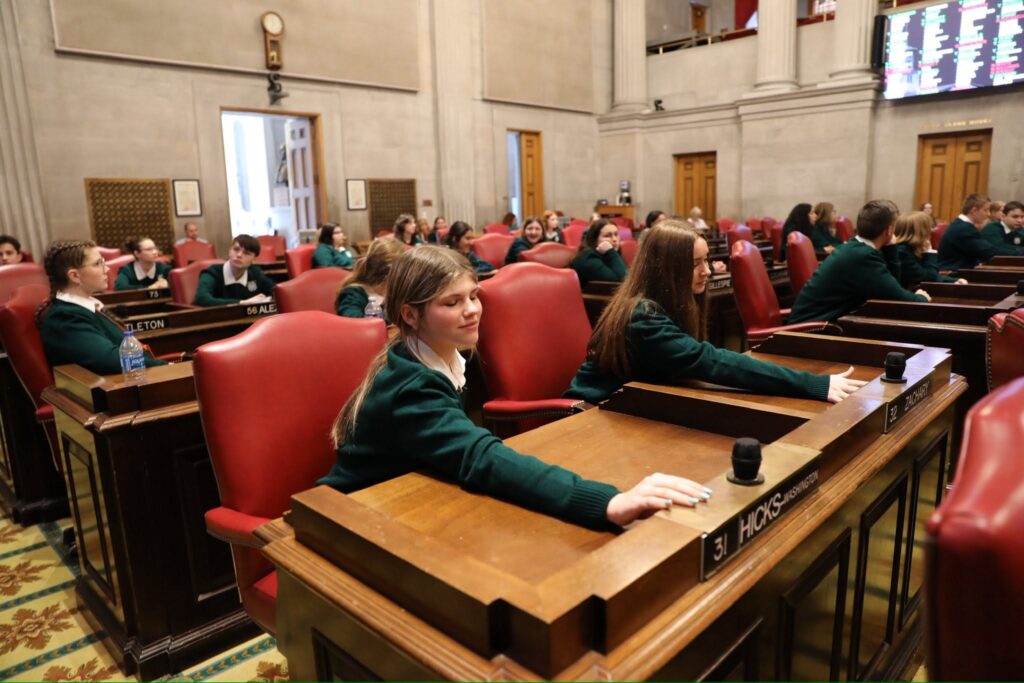
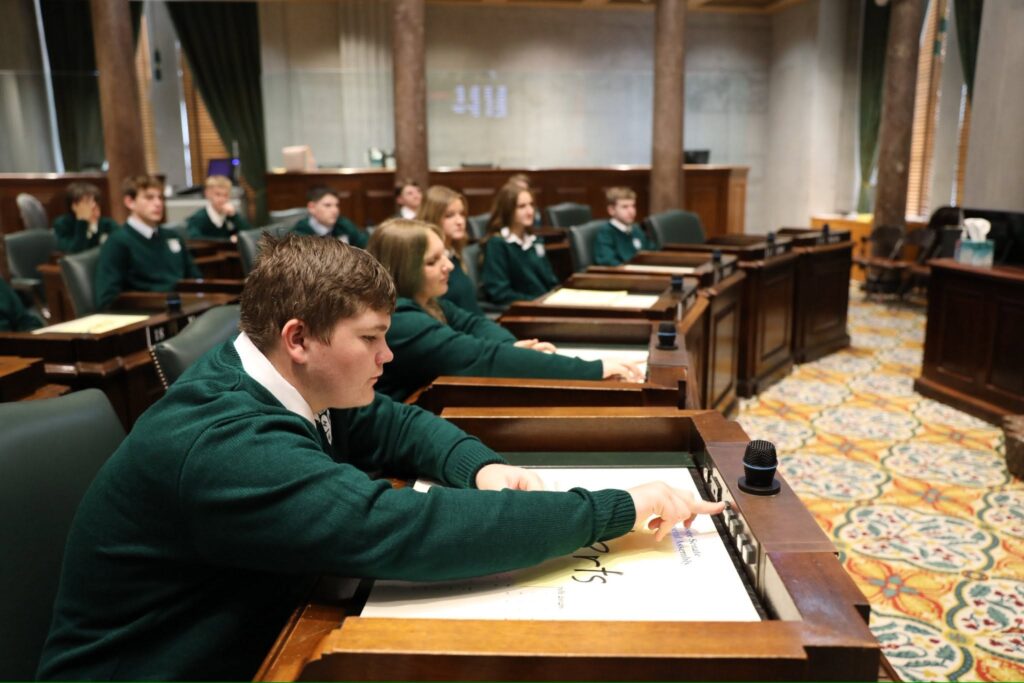
Each year, Tennessee 4-H’ers take a front row seat, literally, to see how state government operates at the Tennessee 4-H Congress. In March, the 2026 Tennessee 4-H Congress new changes brought deeper connections and interactivity for attendees than the previous format.
“Tennessee 4-H Congress isn’t just teaching government. It’s preparing young people to actively participate in democracy and lead with confidence in the future,” says Jamie Harris, state 4-H program leader. Acting as senators and representatives, members form a “junior” state congress that gives them an in-depth understanding of the legislative process by putting them right in the middle of the action.
Changing for the Better
“Tennessee 4-H Congress is one of the premier leadership and citizenship experiences in the organization,” Harris says. “The overall mission of Congress is to help young people become informed, engaged leaders who are prepared to make a positive difference in their communities, state and beyond.”
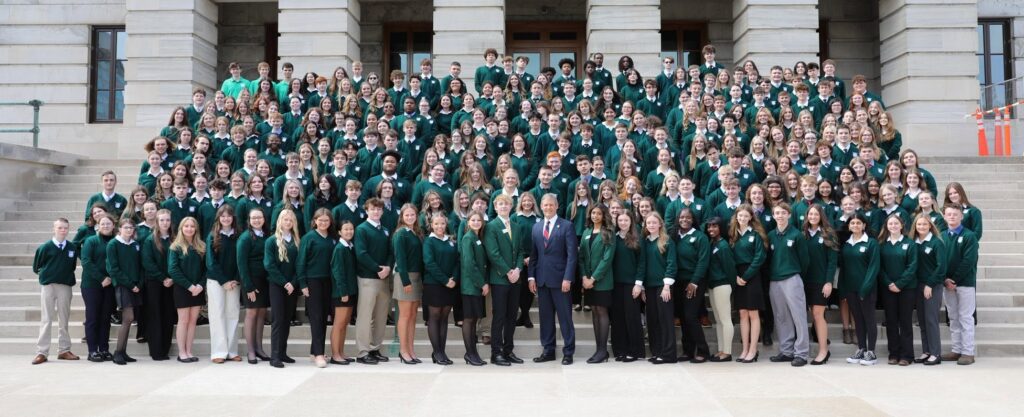
Held annually in Murfreesboro, the program emphasizes citizenship, leadership, communication skills, teamwork and service while helping youth better understand the legislative process. The 2026 Congress was held March 7-11.
“My role helps ensure the event creates meaningful opportunities for young people while maintaining the traditions, energy and impact that make the Congress such a transformational experience for delegates,” Harris says.
Gaining Skills for Life
Harrison Crenshaw, a Franklin County 4-H’er, has been involved in the organization for eight years and was elected Congress governor at the 2025 Congress. In his role, Crenshaw helped lead the 2026 event with fellow Congress officers Kaylin Osterhaus, Congress Speaker of the Senate from Lincoln County, and Mehak Patel, Congress Speaker of the House from Franklin County.
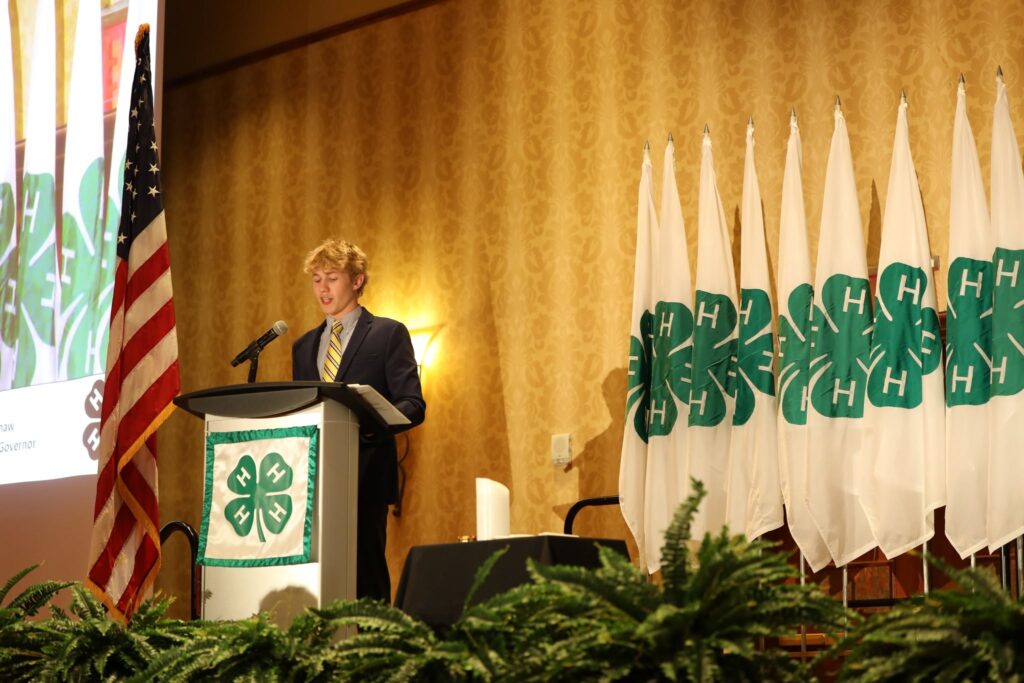
“I decided to run because I wanted to give back to the organization that has given me so much,” Crenshaw says. “I wanted the opportunity to represent Tennessee 4-H members, help create a positive experience for delegates and encourage others to become more involved in leadership roles within 4-H.”
Along with facilitating the three-day event and representing Tennessee 4-H members throughout the last year, Crenshaw worked with other state council members to create a welcoming and meaningful Congress.
“Serving as governor has taught me so much about leadership, responsibility and communication,” Crenshaw says. “It’s so important to listen to others, work as a team and stay adaptable.”
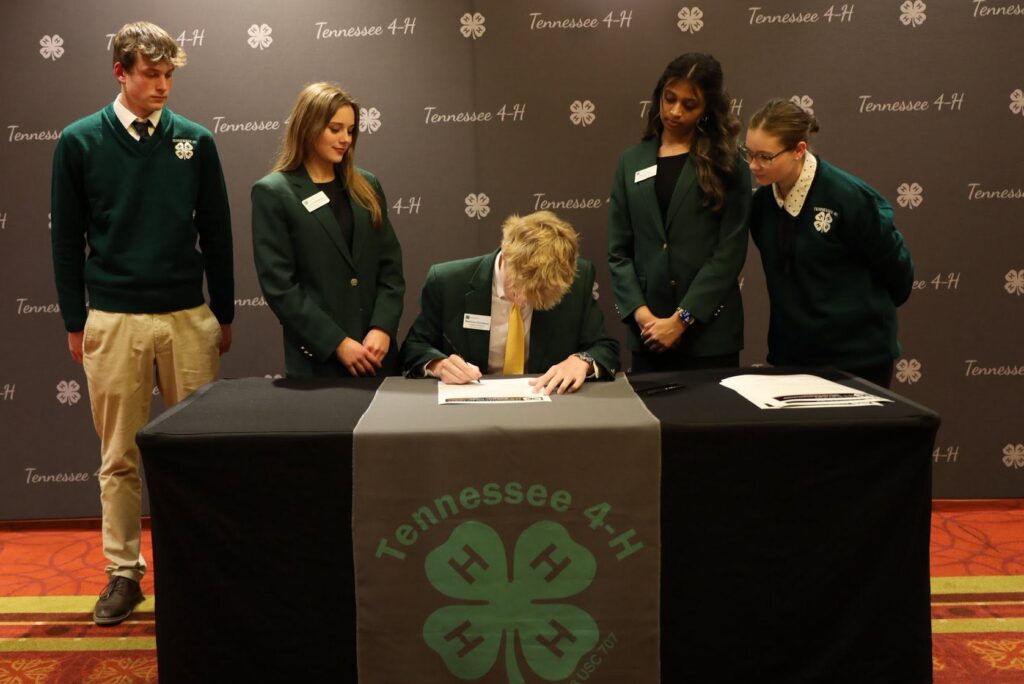
Tennessee 4-H Congress Governor signing the House and Senate’s legislation into law.
New Year, New Changes
Harris says that one of the most impactful aspects of the Congress is that it moves beyond a traditional conference model and gives youth the opportunity to actively experience leadership and government in action, as Crenshaw did as governor.
To create an even more immersive experience for attendees, the organization implemented several changes from previous years.
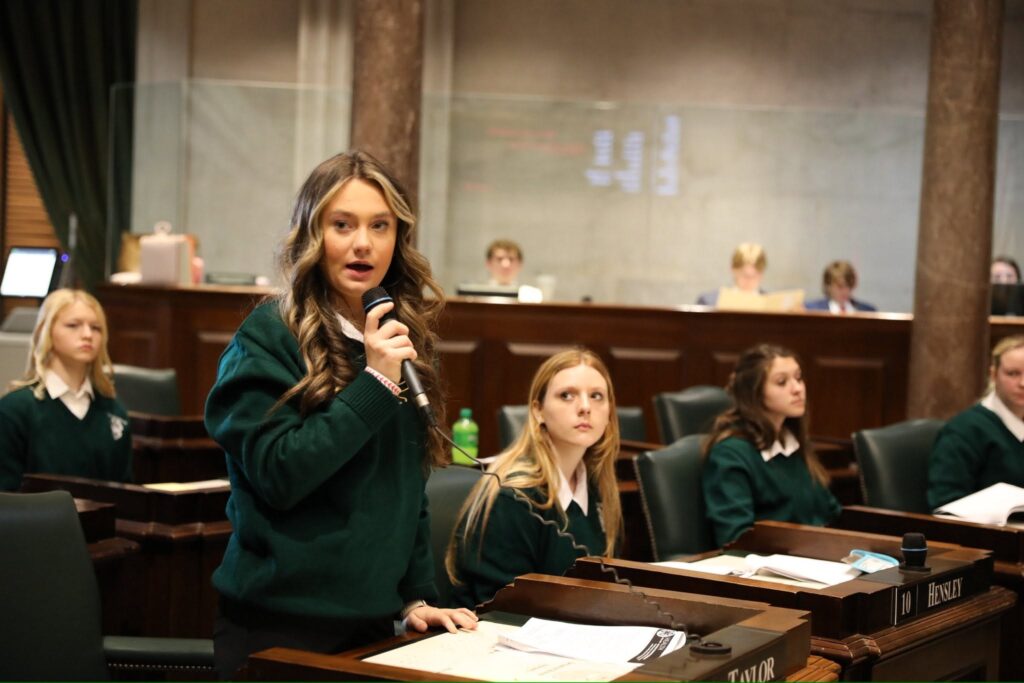
“One of the biggest changes was restructuring the event around issue-based committees,” Harris says. “Delegates were assigned to committees focused on areas like health, agriculture, transportation, education and 4-H. Within these committees, members worked together to develop legislative bills that addressed real-world topics and issues important to young people.”
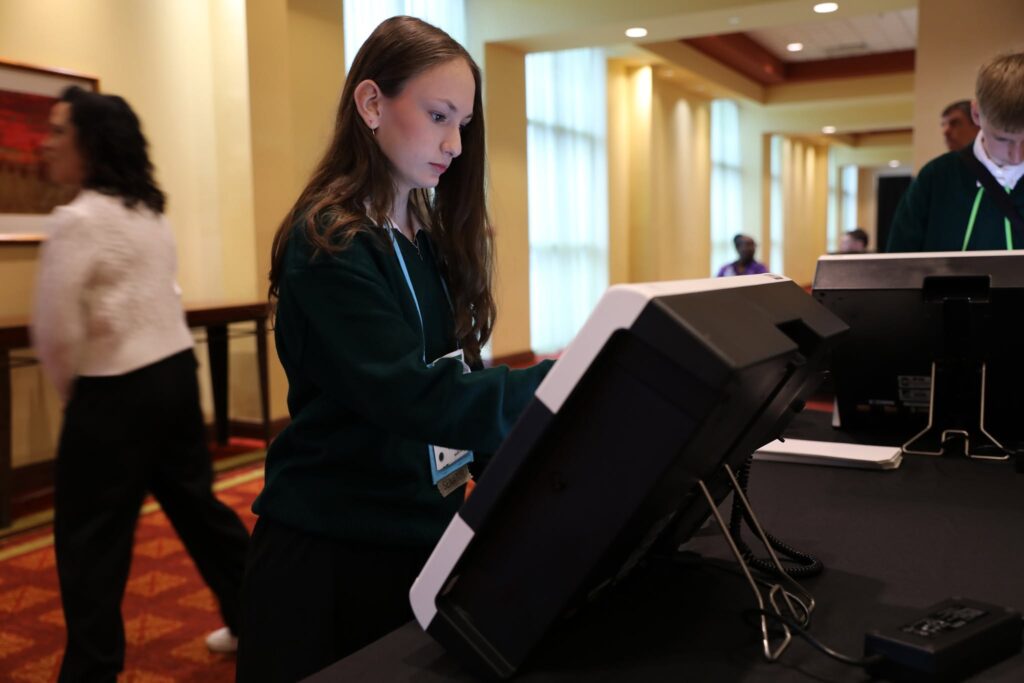
Other changes included the development of a true legislative docket process, which allowed delegates to vote on which bills would move forward for debate and the order they’d appear on the docket, before being potentially passed and signed into “law,” and more time at the Tennessee State Capitol, providing intentional interaction with the legislative environment.
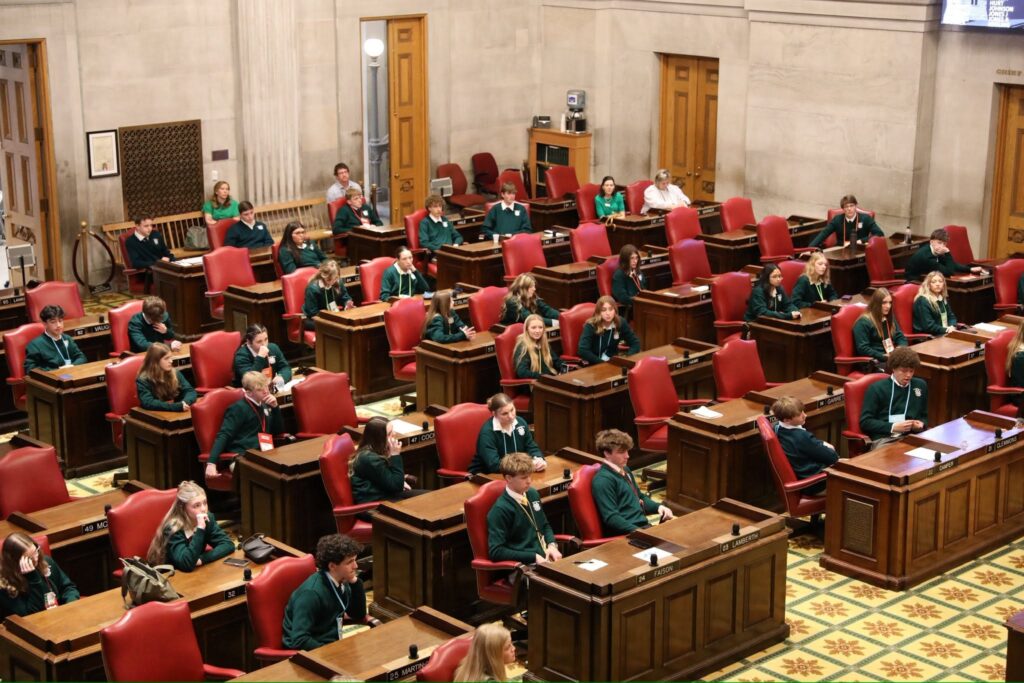
“We wanted to make the Tennessee 4-H Congress more hands-on, youth-driven and aligned with real-world leadership experiences,” Harris explains. “The goal was to move beyond simply teaching about government to creating opportunities for youth to actively practice leadership, problem-solving, collaboration and civic engagement.”
Immediate Success
Both Harris and Crenshaw say the feedback from the changes was overwhelmingly positive, with members reporting a stronger understanding of how government functions, increased interest in state legislation and a greater sense of responsibility as future citizens after the event.
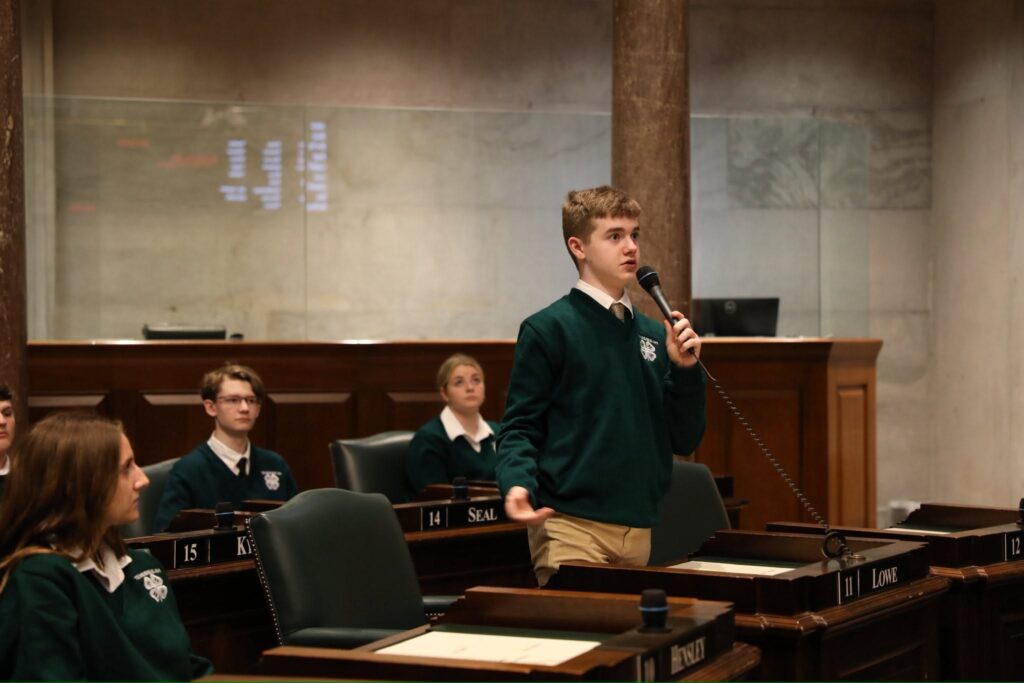
“I think the event was much more efficient and enjoyable while also encouraging greater participation from delegates,” Crenshaw says.
“It’s so important to expose youth to how state government works because today’s young people are tomorrow’s voters, leaders, policymakers and community advocates,” Harris adds. “Many young people don’t understand fully how laws are created, how government impacts their daily lives or how they can have a voice in the process.”